


Honeycomb Paper Packaging: The Eco-Smart Choice for Modern Industries
Honeycomb paper packaging protects heavy, fragile and awkward goods without the weight of wood or the waste of foam. Ficus Pax, an industrial packaging manufacturer in Bangalore, makes honeycomb boxes, pallets, pads and crates. This guide explains how the material works, where it fits best and how to use it well.
What Is Honeycomb Paper Packaging?
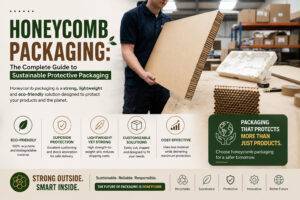
Honeycomb paper packaging is made by bonding layers of kraft or recycled paper into a hexagonal core. The hexagons spread a load evenly, so a thin sheet carries far more than its weight suggests. The result is light, rigid and good at soaking up shock. If you want ready-made boxes, see our honeycomb packaging boxes.
Key Benefits of Honeycomb Paper Packaging
Light but strong. Honeycomb resists compression and impact while keeping shipping weight down, which also trims freight cost. Our guide to shock and vibration protection in packaging shows why the cell structure works so well.
Easier on the environment. The material is paper that can be recycled, so it is a practical alternative to foam and plastic fillers. Lower weight means less fuel burned in transit. Read more in our post on eco-friendly honeycomb packaging, or see our sustainability commitments.
Where Honeycomb Paper Packaging Is Used
- Food and grocery. Cushioning for eggs, fruit and baked goods inside transport cartons. If the paper touches food, confirm the grade is food-safe first.
- E-commerce and retail. Fewer damaged parcels, with cut-to-size pieces that save space in bulk shipments.
- Automotive and industrial. Shock absorption for parts and machinery. See our post on packaging for automotive parts.
- Soft, steady support for delicate components, as covered in our guide to packaging for sensitive electronics.
For fragile loads in particular, our article on how honeycomb board revolutionises fragile goods shipping goes deeper.
How to Use Honeycomb Packing Paper
It is simple, and a few habits make it work better:
- Wrap items the way you would with bubble wrap.
- Layer sheets inside the box for cushioning.
- Cut and fold it to fit irregular shapes.
- Fill every gap, so nothing shifts when the box is moved.
Honeycomb Paper Packaging vs Wood
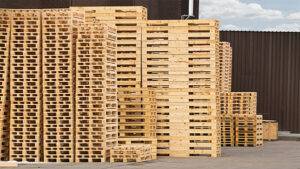
Honeycomb weighs far less than wood. Because it is paper, it also falls outside ISPM 15, the international rule for treating and marking wood packaging, which saves exporters a step. Our post on why honeycomb is replacing wooden packaging covers when the switch makes sense, and our guide to honeycomb pallets for export shows it in practice.
It is not right for every load. Very heavy machinery can still travel better in a crate. For pallets, see our honeycomb paper pallets.
Why Businesses Choose Honeycomb Packaging
- It is light, which lowers logistics cost.
- It supports sustainability goals.
- It can be tailored to a product or an industry.
- It protects well, so fewer shipments arrive damaged.
Choosing the Right Honeycomb Specification
Box styles often follow codes from FEFCO, and the International Safe Transit Association publishes transit test methods you can use to prove a design. In India, ask which standards from the Bureau of Indian Standards your supplier’s boards meet.
Contact Ficus Pax to talk through your requirement.
FAQ
What is honeycomb paper packaging?
Honeycomb paper packaging is made by bonding layers of kraft or recycled paper into a hexagonal cell structure. The cells make it light, rigid and good at absorbing shock.
Is honeycomb paper packaging eco-friendly?
It is largely eco-friendly. It is made from paper that can be recycled, and its low weight means less fuel is used to move it. It is a practical alternative to foam and plastic fillers.
How do you use honeycomb packing paper?
Wrap the item as you would with bubble wrap, layer sheets in the box for cushioning, and cut and fold the paper to fit odd shapes. Fill any gaps so the product cannot shift in transit.
Is honeycomb paper packaging strong enough for heavy goods?
It can be, but the load depends on board thickness, cell size and box design. Tell us your product weight and stacking height, and we will recommend a specification. Very heavy machinery may still need a wooden crate.
Can honeycomb paper packaging be used for food?
It is mainly used as cushioning and outer transport packaging. If the paper will touch food directly, ask your supplier to confirm that the grade is suitable for food contact.