



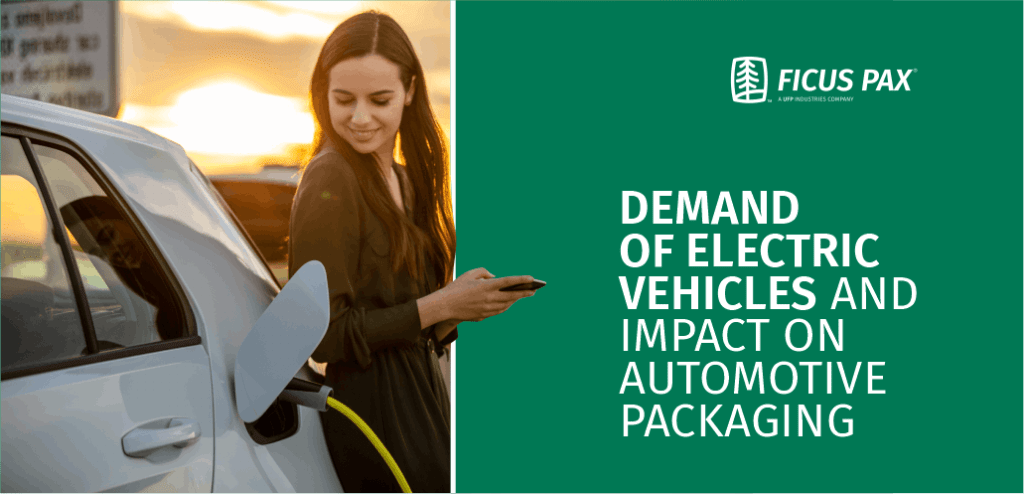
u003cspan style=u0022font-weight: 400;u0022u003ePassenger vehicles generate around 10% of energy-related carbon dioxide emissions. With more demand for personal vehicle ownership, the rate of emissions is expected to rise. The good news however is that with rapidly developing technology u003c/spanu003eu003cspan style=u0022font-weight: 400;u0022u003eelectric vehiclesu003c/spanu003eu003cspan style=u0022font-weight: 400;u0022u003e are expected to cut emissions and reduce the usage of fuel. There has been a significant worldwide increase in the number of u003c/spanu003eu003cspan style=u0022font-weight: 400;u0022u003eelectric vehiclesu003c/spanu003eu003cspan style=u0022font-weight: 400;u0022u003e being used. This trend is only expected to grow as the demand continues to increase. The influencing factors are arising both from the industry and from consumers. These factors are not only increasing the demand for electric vehicles they are also affecting theu003c/spanu003eu003cspan style=u0022font-weight: 400;u0022u003e automotive packagingu003c/spanu003eu003cspan style=u0022font-weight: 400;u0022u003e industry.u003c/spanu003ernu003ch3u003eu003cbu003eFactors Propelling The Demand For u003c/bu003eu003cbu003eElectric Vehiclesu003c/bu003eu003c/h3u003ernu003cbu003eEnergy Securityu003c/bu003eu003cspan style=u0022font-weight: 400;u0022u003e: With the increase of hybrid and plug-in electric cars, governments around the world are reducing their dependence on imported petroleum and improving their energy security. This is especially significant when the supply of fuel was coming from politically volatile countries. u003c/spanu003ernrnu003cbu003eUrbanization:u003c/bu003eu003cspan style=u0022font-weight: 400;u0022u003e It has been projected that over 50% of the global population will be living in cities by 2030. Urban areas generally bring restrictions on space. u003c/spanu003eu003cspan style=u0022font-weight: 400;u0022u003eElectric vehiclesu003c/spanu003eu003cspan style=u0022font-weight: 400;u0022u003e are small, compact, efficient and work well for short daily driving distances. This makes them ideally suited for urban environments.u003c/spanu003ernrnu003cbu003eControl Congestion and Pollutionu003c/bu003eu003cspan style=u0022font-weight: 400;u0022u003e: There is an increasing awareness about sustainability and reducing carbon emissions. Businesses and governments are putting regulations in place which will help them reduce emissions, pollution, and overcrowding. The increasing need for efficiency has resulted in incentives and tax credits on u003c/spanu003eu003cspan style=u0022font-weight: 400;u0022u003eelectric vehiclesu003c/spanu003eu003cspan style=u0022font-weight: 400;u0022u003e. This makes them both accessible and attractive to the consumer. u003c/spanu003ernrnu003cbu003eCostsu003c/bu003eu003cspan style=u0022font-weight: 400;u0022u003e: The advantage of running electric vehicles is that they incur lower costs than conventional vehicles as the cost of electricity is lower than that of fuel. With government subsidies, incentives and tax credit the cost of the vehicle is also lower than a conventional one.u003c/spanu003ernrnu003cbu003eAvailability Of Charging Stationsu003c/bu003eu003cspan style=u0022font-weight: 400;u0022u003e: City officials are taking cognizance of the increased use of u003c/spanu003eu003cspan style=u0022font-weight: 400;u0022u003eelectric vehiclesu003c/spanu003eu003cspan style=u0022font-weight: 400;u0022u003e and have increased the number of charging stations in their cities. The increased prevalence of charging ports in public areas makes u003c/spanu003eu003cspan style=u0022font-weight: 400;u0022u003eelectric vehiclesu003c/spanu003eu003cspan style=u0022font-weight: 400;u0022u003e a more accessible choice.u003c/spanu003ernrnu003cbu003eIncreased Range: u003c/bu003eu003cspan style=u0022font-weight: 400;u0022u003eImprovements in battery technology have resulted in an increase in the range in which u003c/spanu003eu003cspan style=u0022font-weight: 400;u0022u003eelectric vehiclesu003c/spanu003eu003cspan style=u0022font-weight: 400;u0022u003e can travel between charges. This is attractive for consumers who have longer commutes. Along with battery improvements, high-speed charging is also reducing the downtime between commutes.u003c/spanu003ernrnu003cbu003eImproved Optionsu003c/bu003eu003cspan style=u0022font-weight: 400;u0022u003e: With u003c/spanu003eu003cspan style=u0022font-weight: 400;u0022u003eelectric vehiclesu003c/spanu003eu003cspan style=u0022font-weight: 400;u0022u003e becoming more popular, manufacturers have improved the styles of models available in the market. The increasing demand has also decreased the costs of u003c/spanu003eu003cspan style=u0022font-weight: 400;u0022u003eelectric vehiclesu003c/spanu003eu003cspan style=u0022font-weight: 400;u0022u003e which has increased the appeal of switching to one. u003c/spanu003ernrnu003cbu003eStreet Credu003c/bu003eu003cspan style=u0022font-weight: 400;u0022u003e: Tesla gave electric cars the cool factor they lacked before. The purchase of luxury u003c/spanu003eu003cspan style=u0022font-weight: 400;u0022u003eelectric vehiclesu003c/spanu003eu003cspan style=u0022font-weight: 400;u0022u003e is trending upwards and this can be attributed to the popularity of Tesla. u003c/spanu003ernrnu003cspan style=u0022font-weight: 400;u0022u003eWith the expansion of electric vehicle technology over the last decade businesses have created newer and more environmentally-friendly vehicles. Theu003c/spanu003eu003cspan style=u0022font-weight: 400;u0022u003e automotive packagingu003c/spanu003eu003cspan style=u0022font-weight: 400;u0022u003e industry has also had to transform in order to meet the growing need to ship more electric vehicles and the batteries used in them while conforming to national and international regulations. Durable and reliable u003c/spanu003eu003cspan style=u0022font-weight: 400;u0022u003eautomotive packagingu003c/spanu003eu003cspan style=u0022font-weight: 400;u0022u003e solutions are needed to transport vehicles and their components through the supply chain. The packaging material also needs to be as green and reusable as the cargo it holds.u003c/spanu003ernrnu003cspan style=u0022font-weight: 400;u0022u003eThere have been concerns about the shipping and packaging of lithium batteries as they are the main power supply for most electric vehicles. For close to two decades regulations related to lithium batteries have been under review as they are considered a fire hazard in transit, especially on aircraft.u003c/spanu003eu003cspan style=u0022font-weight: 400;u0022u003e Automotive packagingu003c/spanu003eu003cspan style=u0022font-weight: 400;u0022u003e solution providers have to consider this hazard with the increase in the use and transportation of electric vehicles worldwide. Providers need to ensure safe transportation of these batteries via safe packaging material and safe modes of transport to prevent damage and the occurrence of dangerous situations. The packaging design of lithium batteries also needs to prevent movement during transport and secure them against short circuits.u003c/spanu003ernrnu003cspan style=u0022font-weight: 400;u0022u003eAt Ficus Pax, we can develop compliantu003c/spanu003eu003cspan style=u0022font-weight: 400;u0022u003e automotive packagingu003c/spanu003eu003cspan style=u0022font-weight: 400;u0022u003e solutions that focus on the efficient and safe transportation of electric vehicles, their electric motors and batteries in accordance with government regulations for air and surface transport. Talk to our engineers about efficient custom battery pack solutions that are heavy-duty, strong, impact-resistant, and reusable. Let’s discuss a cleaner, greener future.u003c/spanu003e
The Rise of Electric Vehicles and Its Environmental Impact
Passenger vehicles contribute approximately 10% of energy-related carbon dioxide emissions, and with growing personal vehicle ownership, these emissions are expected to rise. Electric vehicles (EVs) offer a cleaner alternative, reducing fuel consumption and carbon emissions. Global EV adoption is accelerating due to technological advancements, government incentives, and changing consumer preferences. This growth is also influencing the automotive packaging industry, which must adapt to safely transport EVs and their components.
Key Factors Driving Electric Vehicle Demand
Energy Security and Independence
Governments worldwide are encouraging EV adoption to reduce reliance on imported petroleum, enhancing energy security. This shift protects nations from the volatility of global fuel markets while promoting sustainable transportation alternatives.
Urbanization and City-Friendly Vehicles
By 2030, over 50% of the global population will reside in urban areas. Compact, efficient, and low-emission EVs are ideal for city driving, short commutes, and limited parking spaces, making them increasingly popular among urban dwellers.
Pollution Control and Sustainability Initiatives
Rising awareness of climate change has led governments and businesses to implement strict emissions standards. Incentives, tax credits, and subsidies make EVs more affordable and attractive, encouraging widespread adoption.
How EV Growth Impacts Automotive Packaging
The rapid expansion of electric vehicle production has created new challenges for automotive packaging solutions. Packaging must safely transport not only vehicles but also sensitive components like electric motors and lithium-ion batteries. These batteries are classified as hazardous materials due to fire risks and require packaging that:
- Prevents movement and damage during transport
- Reduces the risk of short circuits
- Meets air and surface transport regulations
- Is durable, heavy-duty, and reusable
Durable packaging solutions also need to support sustainability goals, ensuring that transport containers align with the eco-friendly nature of electric vehicles.
Safe and Sustainable Lithium Battery Packaging
Lithium batteries are critical for EV performance but pose significant shipping challenges. Regulations for lithium battery transport have been evolving for nearly two decades due to fire hazards. Packaging must include:
- Shock-absorbing materials
- Secure compartments to prevent battery contact
- Compliance with international transport laws
- Reusable and environmentally responsible design
These considerations ensure both the safety of shipments and adherence to global standards.
Partner with Ficus Pax for Efficient EV Packaging
At Ficus Pax, we specialize in custom automotive packaging solutions for electric vehicles and lithium batteries. Our engineers design packaging that is:
- Compliant with international shipping standards
- Heavy-duty, impact-resistant, and reusable
- Eco-friendly and sustainable
- Efficient for air, sea, and land transport
Get in Touch with Ficus Pax
Looking for secure, high-performance aerospace packaging?
📞 Speak to our packaging specialists for expert guidance
📧 Request a consultation tailored to your requirements
Contact Ficus Pax today to discuss your packaging needs and discover how our engineered solutions can protect your products while elevating your brand.