

Wood Packaging: An Environmental Story
What many people don’t realize is that the industrial wood and wood-packaging industries practiced responsible environmental stewardship long before sustainability became a global priority. Long before “eco-friendly” was a buzzword, wood packaging was already part of a naturally circular system.
At Ficus Pax, we believe education is the first step toward sustainability. That’s why we’re clearing up some of the most common misunderstandings about technical wood pallets and packaging.
Why Wooden Pallets Deserve a Second Look
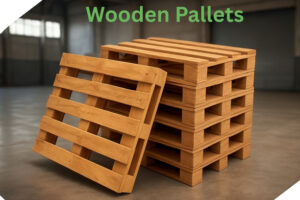
Wood pallets aren’t just tools for transport—they’re part of a renewable, reusable, and responsible supply chain. From industrial use to creative personal applications, technical wood pallets offer far more value than most people realize.
Myth #1: Wooden Packaging Is Bad for the Environment
This is one of the most common misconceptions—and one of the most inaccurate. Technical wood pallets, crates, and packaging are reusable, recyclable, and biodegradable. Pallets can be reused many times, and when damaged, they are often repaired and returned to service. Once they are no longer repairable, the wood is repurposed into mulch, pet bedding, or other secondary products.
Eventually, wood naturally degrades, returning nutrients to the soil and supporting new plant growth.
In the United States alone, an average of 5 million new trees are planted every day, and forest growth exceeds harvesting by 33%. This makes wood packaging one of the most sustainable material choices available.
Myth #2: Technical Wood Pallets and Crates Fill Landfills
The reality is quite the opposite. Most wooden pallets are recycled multiple times before reaching the end of their usable life. According to a study by Virginia Tech and the USDA Forestry Service, approximately 95% of pallets are recycled or recovered into other products.
Many landfills even have programs that grind wood products to speed up decomposition. And if a pallet does reach a landfill, it will biodegrade naturally, unlike plastic or composite alternatives.
Myth #3: Using Wooden Packaging Increases Your Carbon Footprint
A carbon footprint measures the total greenhouse gas emissions over a product’s lifecycle. Surprisingly to many, wood packaging often has a negative carbon footprint. Wood stores carbon absorbed during a tree’s growth, rather than releasing it into the atmosphere. When sourced from sustainably managed forests, pallets and crates actively help offset carbon emissions.
For companies focused on reducing their environmental impact, wood packaging is a smart and responsible choice.
Myth #4: Wood Packaging Manufacturers Don’t Care About Trees
Nothing could be further from the truth. Trees are a renewable resource, and the industry depends on healthy, well-managed forests. For every tree harvested, approximately six new trees are planted in its place.
According to Bugwood, at least 1.6 billion trees are planted each year in the U.S., with forest product companies responsible for nearly half of those plantings. The industry actively invests in reforestation and long-term forest health. We don’t just care about trees—we rely on them, protect them, and help them thrive.
Myth #5: Trees Are Cut Down Specifically to Make Pallets and Crates
Many people assume trees are felled solely to produce pallets and crates. In reality, pallets are often made from scrap wood that cannot be used for furniture or construction-grade materials. Forests are managed primarily to produce lumber for buildings and furniture. Wood packaging utilizes byproducts of this process, ensuring minimal waste and maximum resource efficiency.
Trees are not harvested just to make pallets—wood packaging is part of a broader, responsible use of forest resources.
Turning Sustainability Into Opportunity
At Ficus Pax, we’re committed to keeping the wood packaging industry as green as possible while continually improving our practices. We design customized, lightweight, durable, and eco-friendly packaging solutions using responsible materials and innovative technologies.
If you’re looking for packaging that supports both performance and the planet, contact Ficus Pax to learn how we can help with your application