


Sustainable Packaging Innovation for Automotive Efficiency
In today’s rapidly evolving manufacturing landscape, sustainability is no longer a choice—it’s a responsibility. The automotive industry, known for its complex supply chains and high-volume logistics, is increasingly turning toward sustainable packaging innovation to reduce environmental impact while improving efficiency. By adopting eco-friendly packaging materials and smarter systems, manufacturers are not only protecting the planet but also strengthening their operational performance.
What Is Sustainable Packaging in the Automotive Industry?
Sustainable packaging focuses on designing and using packaging solutions that minimize environmental harm throughout their lifecycle. This includes reducing waste, using recyclable or biodegradable materials, and improving transportation efficiency. In the automotive sector—where packaging is essential for protecting high-value and delicate components—innovative packaging solutions play a crucial role in balancing durability, cost, and sustainability.
Key Sustainable Packaging Innovations in Automotive Manufacturing
Biodegradable Packaging Materials
Biodegradable packaging is transforming how automotive components are protected during transit. Materials such as molded pulp, bio-polymers, and agricultural by-products naturally decompose over time, significantly reducing landfill waste. These materials provide reliable cushioning and protection while helping manufacturers move away from traditional plastic packaging.
Recyclable Packaging Materials
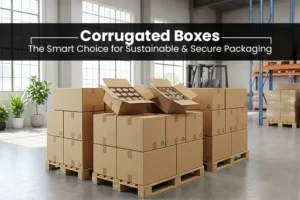
Recyclable materials like paper honeycomb structures and corrugated cardboard have become staples in eco-friendly automotive packaging. These materials offer excellent strength-to-weight ratios, making them ideal for transporting sensitive parts. Once used, they can be easily recycled or repurposed, supporting a circular economy and reducing overall environmental impact.
Reusable Packaging Solutions
Reusable packaging systems are reshaping automotive logistics. Closed-loop solutions using reusable crates, pallets, and dunnage allow packaging to be returned, cleaned, and reused multiple times. This approach reduces waste, lowers long-term costs, and ensures consistency in packaging dimensions—an important advantage for OEMs and tier-one suppliers.
Optimized Packaging Design Techniques
Advanced digital design tools, including 3D modeling and computer-aided design (CAD), enable precise, custom-fit automotive packaging. By designing packaging that perfectly matches the product, manufacturers can eliminate unnecessary filler materials, reduce material consumption, and enhance product safety during transport.
Sustainable Logistics and Smart Packaging
Smart packaging solutions equipped with sensors are enhancing visibility and control across the supply chain. These technologies monitor temperature, humidity, and shock exposure, helping manufacturers protect sensitive automotive components. Optimized logistics also mean fewer emissions, reduced fuel consumption, and longer life cycles for reusable packaging materials.
Top Eco-Friendly Materials Used in Automotive Packaging
Some of the most widely adopted sustainable materials in automotive packaging include:
- Molded pulp
- Paper honeycomb
- Bioplastics
- Corrugated pallets
- Recycled PET foam
These materials combine durability, sustainability, and cost-effectiveness, making them ideal for modern automotive supply chains.
Benefits of Sustainable Packaging Innovations
Adopting sustainable packaging solutions delivers measurable benefits across the automotive industry:
- Reduced Carbon Footprint: Lower emissions during production and transportation
- Cost Savings: Reusable and recyclable materials reduce reliance on single-use packaging
- Improved Logistics Efficiency: Lightweight materials help cut fuel consumption
- Enhanced Brand Image: Sustainability builds trust with environmentally conscious consumers
- Regulatory Compliance: Easier alignment with global environmental standards
Future Trends in Sustainable Automotive Packaging
The future of automotive packaging is smart, circular, and carbon-conscious. Key trends shaping the industry include:
- Circular Economy Models: Packaging designed for reuse, refurbishment, and recycling
- AI-Driven Packaging Optimization: Intelligent systems that reduce waste and improve logistics efficiency
- Carbon-Neutral Packaging Goals: Packaging strategies aligned with zero-emission manufacturing targets
Companies that invest in these innovations early will be better positioned to lead the market.
The Path toward a Greener Automotive Future
Sustainable packaging innovation is no longer optional—it’s essential for future-ready automotive businesses. From biodegradable and recyclable materials to reusable systems and smart logistics, the industry is undergoing a true green transformation.
By adopting innovative and eco-friendly packaging strategies, automakers and suppliers can enhance supply chain efficiency, reduce environmental impact, and stay ahead of evolving regulations. The journey toward sustainable products begins with the right packaging—and the time to act is now.
Contact Ficus Pax for the sustainable packaging solution.